
 English
 Español
 Portugues
 Pусский
 Français
 Deutsch
 한국어
한국어 العربية
 Italiano
 Svenska
 Polski
 ไทย
ไทย Türk dili
 हिन्दी
 Tiếng Việt
 中文
中文 dansk
dansk қазақ
қазақ বাংলা
বাংলা فارسی
فارسی українська
 беларускі
 o'zbek
 Србија
 پښتو
پښتو საქართველოს
 Shqipëria
 Afrikaans
 Kikongo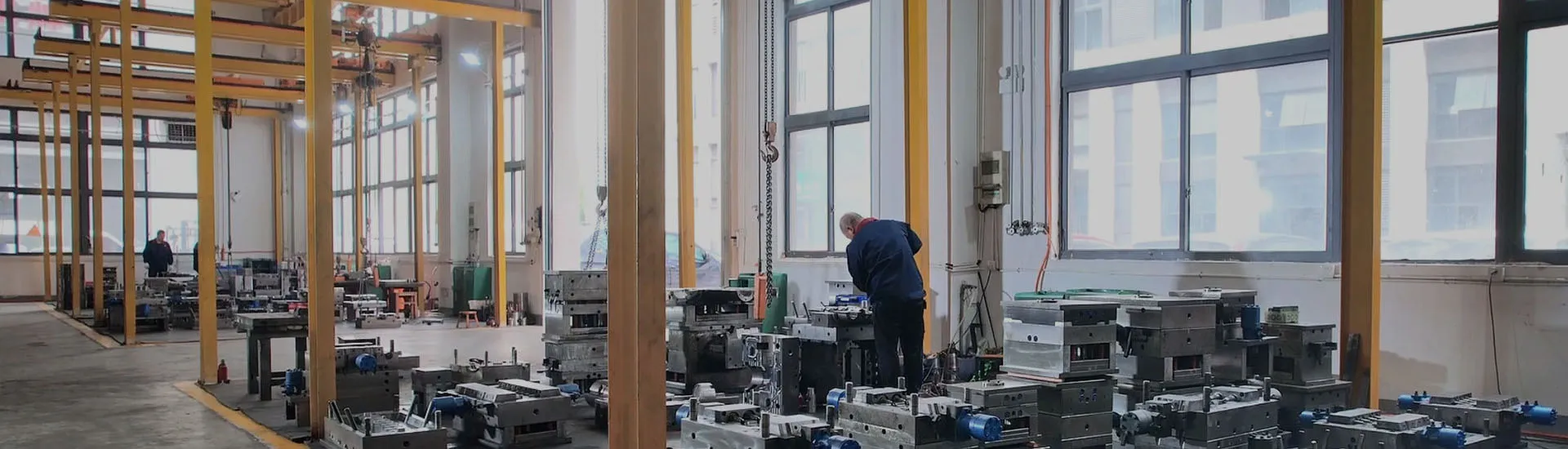
Putkimuotin suunnittelu
Pipe Mould Design: An Overview Pipe mould design is a specialized field within injection moulding and extrusion processes, focusing on the production of plastic or composite pipes used in various industries, including plumbing, construction, and fluid transportation. The design of pipe moulds requires a deep understanding of material properties, flow dynamics, cooling mechanisms, and structural integrity to ensure high-quality, durable, and dimensionally accurate pipes. Key Considerations in Pipe Mould Design 1. Material Selection The choice of material (e.g., PVC, HDPE, PP, ABS) significantly impacts mould design. Each polymer has unique flow characteristics, shrinkage rates, and thermal properties, which must be accounted for in the mould geometry and cooling system. 2. Mould Geometry Pipe moulds are typically cylindrical and must ensure uniform wall thickness to prevent defects like warping or sink marks. The core and cavity design must facilitate smooth material flow while maintaining tight tolerances. 3. Cooling System Efficient cooling is critical to minimize cycle time and prevent residual stresses. Strategically placed cooling channels help maintain consistent temperatures, ensuring uniform solidification and dimensional stability. 4. Gating and Venting Proper gate design ensures even material distribution, while vents allow trapped air and gases to escape, reducing defects like burn marks or incomplete filling. 5. Ejection Mechanism Pipes must be ejected without deformation. Stripper plates or air-assisted ejection systems are commonly used to ensure smooth release. 6. Surface Finish and Texture Depending on the application, mould surfaces may require polishing or texturing to achieve the desired pipe finish (e.g., smooth for fluid flow or ribbed for structural reinforcement). Challenges and Solutions - Warpage: Controlled cooling and balanced flow paths help mitigate warping. - Sink Marks: Optimized wall thickness and pressure holding phases reduce shrinkage-related defects. - Longevity: High-grade steel (e.g., P20, H13) with corrosion-resistant coatings extends mould life. Conclusion Effective pipe mould design combines engineering precision, material science, and process optimization to produce high-performance pipes. By addressing flow dynamics, cooling efficiency, and structural integrity, manufacturers can achieve consistent quality and cost-efficiency in pipe production.
tuote
Luokittelu:
-
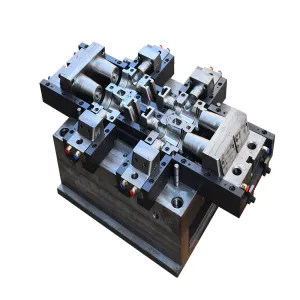
PP-urospuolinen T-putken sovitusmuotti
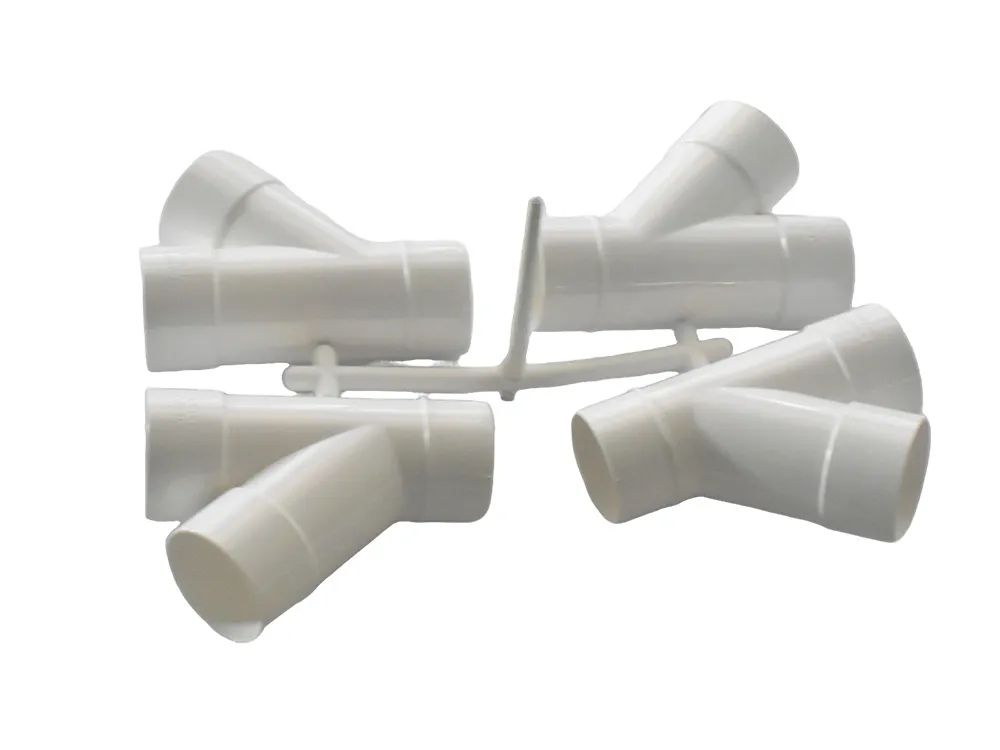
kategoria: PP-putkien kiinnitysmuottiNäkymät: 625sarjanumero:julkaisuaika: 2025-09-16 23:43:55PP-urospuolinen T-putken sovitusmuottiMuotin nimi: PP-urospuolinen T-putken sovitusmuottiOnkalo: 4 onkaloaMuotin koko: 110 mmMuottiteräs: 718 2738 ontelolle ja sydämellePortti: suora porttimuotin rakenne: Liukupalkin kalteva ohjauspylväsrakenneYtimen/ontelon kovuus: HRC 40-45 astettaRuiskuvalukone: 380T Taizhou Huangyan Hong Jin mold Co., Ltd on perustettu vuonna 2002. Olemme ammattimaisia putkisovitusmuottien suunnittelussa ja valmistamisessa yli 23 vuotta.Odotamme pitkää yhteistyötä kanssasi.Seuraavassa on tärkeimmät tiedot viitteellesi.UKK:1. Mikä on MOQ:si?1 setti on ok2. Mikä on toimit...
uutiset
Luokittelu:
-
[industry news]Näihin kohtiin on kiinnitettävä huomiota muottien käsittelys...
2024-09-30 17:09:39
tapaus
Luokittelu:
video
Luokittelu:
ladata
Luokittelu:
Ei vielä hakutuloksia!
rekrytointi
Luokittelu:
Ei vielä hakutuloksia!
Suositellut tuotteet
Ei vielä hakutuloksia!




 Whatsapp
 Puhelin